History
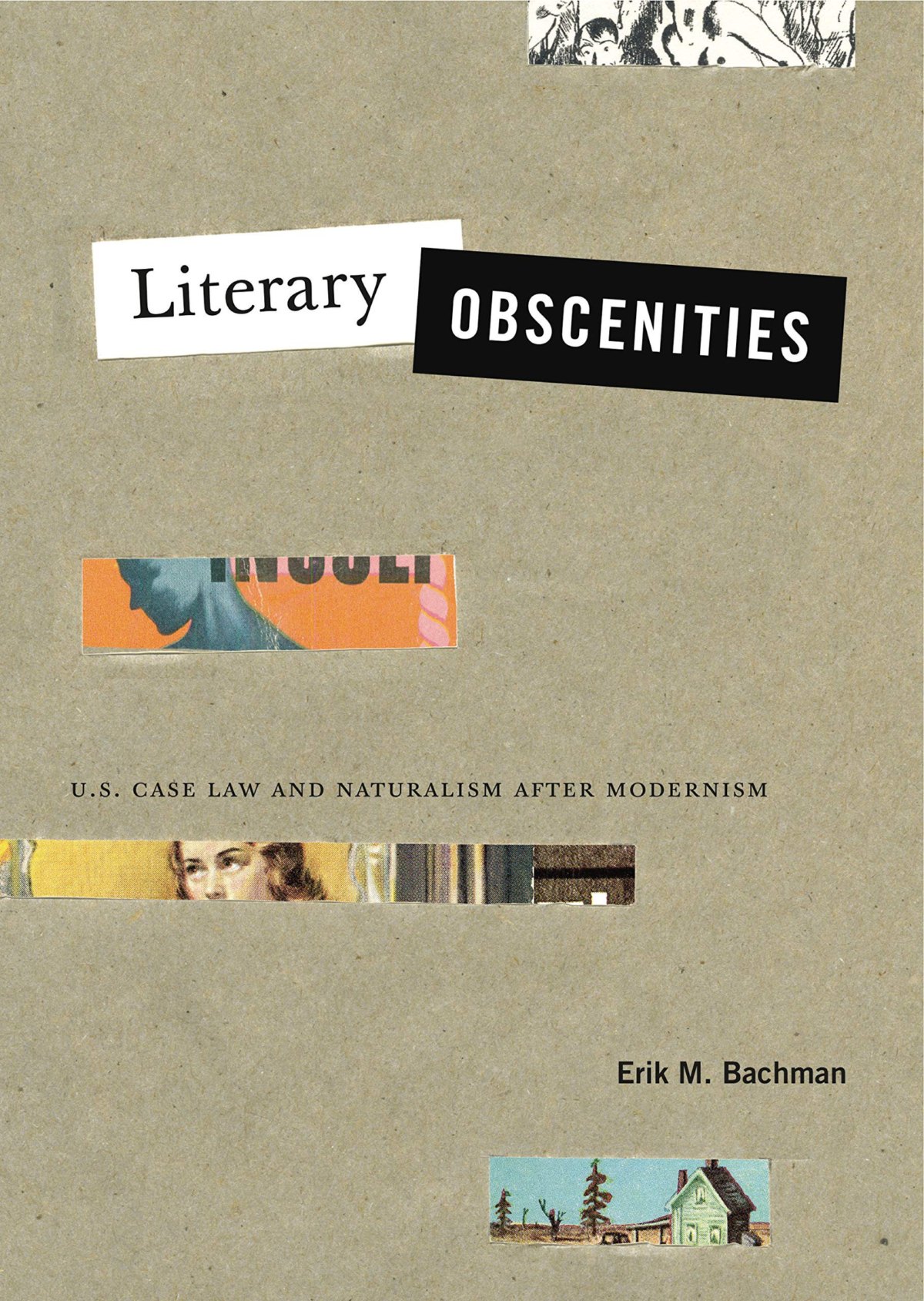
Literary Obscenities
U. S. Case Law and Naturalism after Modernism
- Order before 3pm and it leaves London today
- Tracked UPS delivery worldwideUsually arrives 6–12 Nov
- 30-day returnsHow returns work
- Format
- Paperback
- Pages
- 208
- Published
- 2019
- Publisher
- Pennsylvania State University Press
About this book
The story
When American courts tried to suppress vulgar writing in the early twentieth century, they were also arguing about something larger: whether printed words could stir feeling and change how people behaved. Erik Bachman sets obscenity case law's crisis of legitimacy beside modernism's crisis of representation, and finds proscribed writers such as Wyndham Lewis, Erskine Caldwell, Lillian Smith and James T. Farrell doing more than breaking taboos. Their uses of the obscene, he argues, were meant to make readers notice how they were being shaped into mass consumers, voyeurs and racialised subjects.
The cast of contemporaries is wonderfully wide, from behavioural psychologists and advertising executives to cover illustrators, magazine publishers, civil rights activists and judges. A rigorous, rewarding study for anyone working in American literature, American studies or US legal history, and for curious readers drawn to where censorship and fiction collide.
If you like this
You might also like
From the same author, publisher and shelves.